Insect and Disease

Forest Tent Caterpillar

Forest Tent Caterpillar

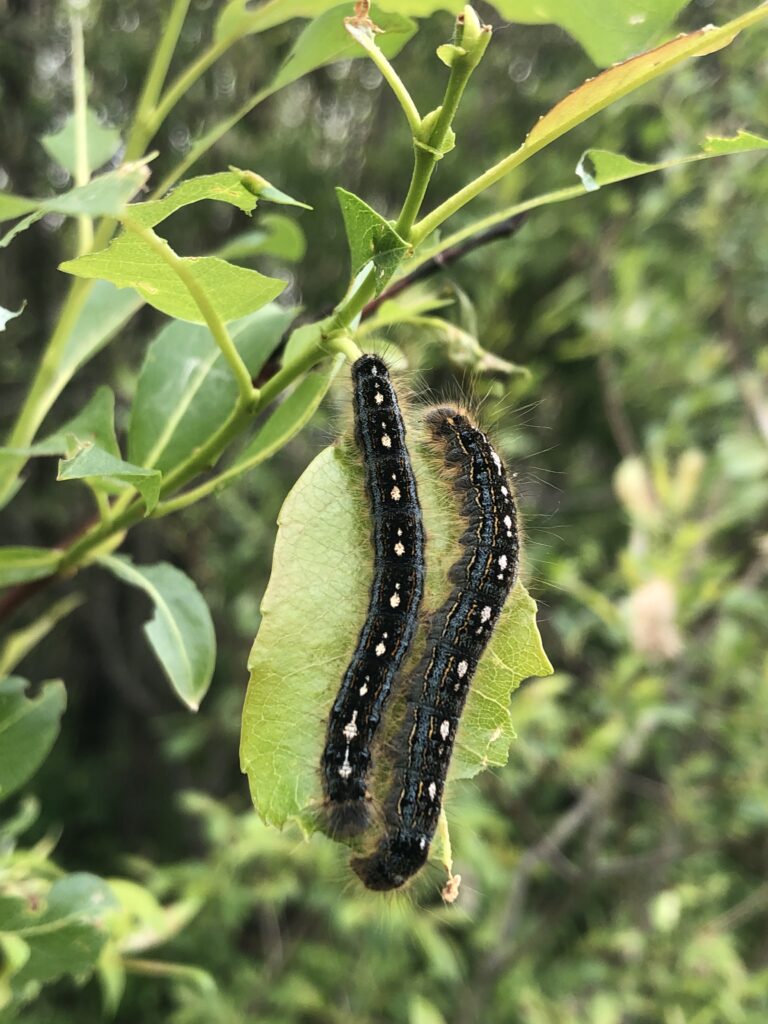
The forest tent caterpillar(Malacosoma disstria) is one of the most significant defoliating insects affecting broadleaf trees and forests across Canada. Periodic population outbreaks can result in extensive defoliation of natural aspen forest, and other hardwood trees in shelterbelts, windbreaks, urban settings and parks with noticeable impacts on tree health, aesthetics, and public perception of forest […]

Forest Tent Caterpillar Read More »
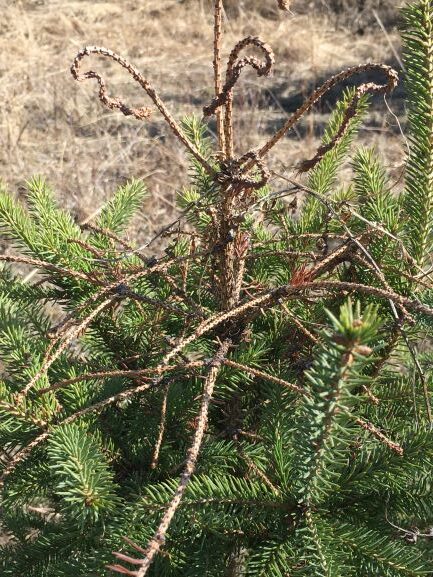
white pine weevil damage on young spruce tree

White Pine Weevil  

The white pine weevil(Pissodes strobi) is insect pests affecting young coniferous trees in shelterbelts, windbreaks and urban settings. In Alberta, it primarily attacks the terminal leaders(current and previous year growth) of mostly white spruce as well as some pine, causing growth deformities, long-term structural weakness (development of forked tops). It can be considering nuisance pest

White Pine Weevil   Read More »

Wetwood

Wetwood/Slime Flux

Wetwood slime, also known as bacterial wetwood or slime flux, is a common condition affecting a variety of trees, including elms, poplars, willows, and oaks. This disease is characterized by the exudation of a foul-smelling, slimy liquid from cracks, wounds, or branch crotches in the tree. While wetwood is not usually fatal to trees, it

Wetwood/Slime Flux Read More »

Bronze Birch Borer

The bronze birch borer (Agrilus anxius) is an insect that poses a significant threat to birch trees across prairie provinces. This wood-boring beetle is notorious for infesting and killing various species of birch, particularly those already weakened by environmental stress. If left unchecked, the birch borer can lead to the widespread decline of birch populations

Bronze Birch Borer Read More »

Spruce beetle

The spruce beetle (Dendroctonus rufipennis) is a bark beetle species native to North America. Host trees include mostly white spruce, but also Colorado Blue and Norway spruce. Known for its devastating impact on large boreal spruce forests, this beetle has recently gain attention due to infestation occurring in towns, summer villages, woodlots, shelterbelts, and windbreaks.

Spruce beetle Read More »

Aphids

Aphids are among the most frequently and widely encountered insects on trees, shrubs, and ornamental garden plants. These small, sap-sucking insects with very high numbers for extended period of time can cause e damage to a wide range of trees, impacting their health(dieback) growth(wilting), and overall productivity. Aphids are prey for numerous beneficial insects, such

Aphids Read More »

Fireblight

Fireblight is a destructive bacterial disease caused by the pathogen Erwinia amylovora. This bacterial disease widely affects plants in the Rosaceae family, including apples, pears, variety of cherries, chokecherry, Saskatoon berry, raspberries, black berries, hawthorn, cotoneaster, and mountain ash. Fireblight, caused by Erwinia amylovora, remains a significant threat to fruit production worldwide. Spread Overwintering bacteria

Fireblight Read More »