The principle of “right tree, right place” has been known modern forestry, agroforestry, urban greening, and ecological restoration. At its core, it means selecting tree and shrub species whose biological traits, environmental tolerances, and growth habits match the ecological and environmental conditions of a specific site. There are several decades of research as well as many practical projects in silviculture, arboriculture, ecology, soil science, climatology, and urban forestry to proof that when this phrase applied correctly, it enhances tree survival, maximizes ecosystem services, reduces maintenance costs, and strengthens long-term resilience—especially under climate change. Some of the common mistakes that occurs for not using principle of “right tree, right place”
- Selecting species based solely on aesthetics or specific functions or purpose.
- Not consider soil properties and weather-related information
- Ignoring tree biological traits, maturity size and root spreading.
- Planting water-demanding species in drought-prone soils.
- Overreliance on a single species across large areas.
- Failing to consider soil compaction and drainage.
- Failing to consider available space and infrastructure
- Absence of after care and maintenance
Know your soil – Perform Site Assessment
Prior tree selection, planting, care, and maintenance, the site assessment is a MUST. A site assessment is a thorough and detailed evaluation of site conditions to understand limitations or opportunities for tree and shrub survival, growth, and vigour. Each site is different and understanding and assessing site is vital. When assessing it is important to look at basic soil, water, nutrients as well as space, light, temperature, and wind information which will allow tree/shrub to grow. The assessment can be divided into soil, climate, and space conditions for choosing tree/shrub species.
- Soil Conditions– Understand and obtain information on type of soil, soil texture, depth, drainage, pH, nutrient availability, and compaction. Each of these conditions can significantly affect root development and water access. Deep, well-drained loams support species with extensive root systems, while poorly drained soils require flood-tolerant trees. Matching species to soil type reduces transplant shock and long-term stress.
- Soil Volume – Soil volume is the measure of soil available for root growth. Tree requires room to grow, breath and access to water and nutrients. Many studies indicate that for medium to large trees, the minimum required soil volume is 30m3 . If your site have, soil volumes that are inadequate for rooting space, limited water, oxygen availability, and nutrient uptake, your trees will have little success to establish, grow or thriving on the site. In areas where soil volume is limited, choose selection of smaller tree species or shrubs that can grow with limited root systems.
- Evaluated other soil information such as weeds and other tree competitions cover, level of erosion and compaction, extend of site disturbances, and past and future construction activities are important to assess. It is also very important to evaluated human induced soils that are profoundly modified, transported, or constructed by human activity. These soils are common in urban, industrial, and reclamation landscapes, where natural soil horizons have been removed, mixed, or buried.
Know your site conditions
Understanding your local site climatic and topographic conditions are important to prior choosing trees for planting. Climatic limitations will impact overall tree selection. Obtain information on temperature range, frost frequency, precipitation patterns, drought duration, and wind exposure all shape species suitability. The following assessment should be considered during climatic conditions assessment:
- Canadian Plant Hardiness Zone Map provides insights what can grow in your area and it combines information about a variety of climatic conditions across the entire country. Alberta is ranging from zone 1a in northern Alberta to 5a in southern Alberta. However, local microclimate knowledge is very important and obtaining local information from local gardeners, landowners and professionals are crucially important. Tree planting projects must consider projected future climate conditions, not just current averages.
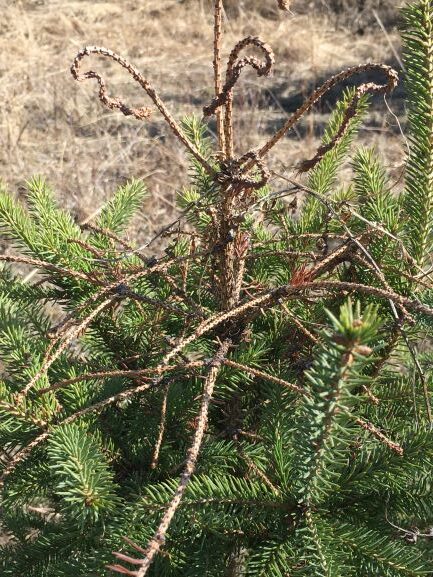
- Precipitation information (snow and rain) in your local area. Water availability is one of the strongest determinants of tree performance- tree survival and growth. Having sufficient water quantity and quality for irrigation purposes during drought or stress time is important. Water loving species thrive in periodically saturated soils, while upland drought-tolerant species are adapted to intermittent moisture deficits. Planting a water-demanding species in a dry site often leads to chronic stress and reduced resilience
- Frost– Early frost is especially destructive for tender seedlings that are too fragile to survive sudden dips in temperature. Local low areas are where cooler air collects and lowering the air temperature is best for frost to occur. These frost pockets are usually found at the bottom of the slopes or land depression (bowl) are often found.
- Wind exposure– Strong winds (warm Chinook and cold jet streams) imposed several stresses on trees including stunted growth, shorter branches, smaller leaves, leaning and uprooted trees. Sites exposed to constant wind are usually drier and may need supplemental watering to prevent them from drying out as quickly.
- Elevation difference of few inches, meters or hundreds of meters impacts how some trees grow, access to water and nutrients and respond to weather. As higher elevations are colder and could limit the growth of many trees, especially hardwood species.
- Slope is one of the factors for determining vegetation. The vegetation on opposing slopes is vastly different. South-facing slopes are warmer and dryer than north-facing slopes. South-facing slopes dominated by sun-loving species such as pines, larch, birch, poplars, aspen and many others. The north-facing slopes are colder, moist, and have less sunlight and heat. White spruce, and balsam fir are tree species growing more on north-facing slopes.
Know your space and infrastructure
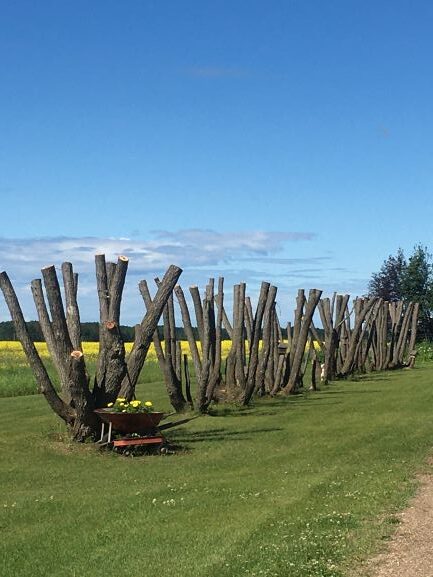
One of the common mistakes in tree planting is not paying attention to space for trees to grow and thrive. Space (above and underground) limitations may include above ground powerlines, buildings, roads, and other human-caused structures. Below ground limitations such as underground utilities, and available soil volumes are important to assess. Across Alberta, many trees have been planted beneath power lines, near roads or intersections, and in close proximity to buildings and other infrastructure. In such locations, trees frequently require repeated pruning to prevent interference with overhead utilities or to maintain sightlines and safety clearances. As a result, tree crowns are often heavily pruned or partially removed, which can negatively affect tree structure, health, and longevity. Consider following recommendations regarding to space and infrastructure:
- Know your property line – don’t plant trees near property lines as they may infringe into other properties
- Provincial road setback – Alberta Transportation set setbacks “ Placement of any trees, hedges or shrubs within 30 metres from the highway right-of-way boundary, or 60 metres from the centre line of the highway, whichever distance is greater, is prohibited without a permit.
- Road setback in rural areas are set within each municipality and it is defined by local bylaws
- Powerline and other utilities corridors also requires setbacks to plant trees and shrubs around it. Each setback is set by utility providers or government agencies
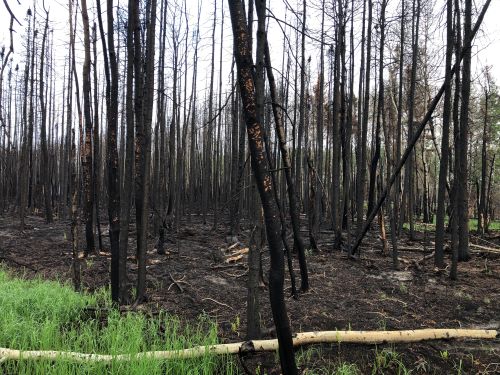
- Fire risks zone setbacks around properties are recommended in areas where fire risks are high
- Know your underground utilities(sewage, powerline and gasoline) and avoid planting trees and shrubs above these areas
- Planting around livestock operations: Tree and shrub planting near livestock facilities requires careful planning and site evaluation. Proper species selection and placement can help mitigate impacts such as odor, airborne dust particles, and noise.
- Tree planting in industrial areas: Trees selected for these environments should be tolerant of potential stress factors such as soil compaction, limited rooting space, air pollution, and heat. Proper spacing, soil preparation, and maintenance considerations are essential for successful planting in these areas.
- Assess surrounding infrastructure: It is important to evaluate nearby public and private infrastructure when planning tree planting. Consider potential interactions with buildings, roads, sidewalks, underground utilities, drainage systems, and overhead power lines. Selecting appropriate species and planting locations helps prevent future conflicts, reduces maintenance costs, and promotes safe and sustainable landscape development.
Know your tree and shrub species characteristics and features
The concept of “right tree, right place” refers to the careful selection of tree and shrub species whose mature size, growth characteristics, and environmental requirements align with the conditions of the planting site. Proper species selection is essential for ensuring long-term plant health, minimizing maintenance issues, and maximizing the ecological and functional benefits of trees in a landscape.
Several factors should be considered when selecting tree species, particularly the biological traits of the tree and its intended function and purpose within your site.
Extensive information(on-line, and books) is available on the characteristics and performance of different tree species. Each species possesses a unique combination of strengths and limitations—what might be described as its “advantages and disadvantages.” Therefore, thoughtful evaluation of site conditions, tree biology, and landscape objectives is necessary when choosing species. Considering these factors allows for more sustainable and successful tree planting outcomes.
- Native vs. non-native trees: Locally adapted native species often provide strong ecological compatibility because they have evolved under local climate and soil conditions. As a result, they are generally well suited to the site and typically present a lower risk of becoming invasive. However, non-native species can also play a valuable role in landscape planning. They often expand the range of available choices, offer different characteristics and aesthetic features, contribute to species diversity, and in some cases may demonstrate better tolerance to emerging stresses associated with climate change.
- Seek local knowledge and observations: Gathering information about trees that have already grown successfully in your region is an effective way to guide species selection. Visiting local farms, parks, towns, cemeteries, nurseries, and arboretums allows you to observe how different species perform under local environmental conditions. These observations provide practical insight into growth habits, hardiness, and potential maintenance requirements.
- Promote species diversity: Incorporating a mixture of tree species within a planting project is strongly recommended. Diverse plantings improve ecological resilience, reduce vulnerability to pests and diseases, and enhance overall landscape stability. Avoiding monoculture plantings helps ensure that the loss of a single species does not significantly impact on the health and function of the entire planting
- In riparian zones, planting flood-tolerant species stabilizes streambanks and filters runoff. On steep slopes, deep-rooted trees reduce landslide risk.
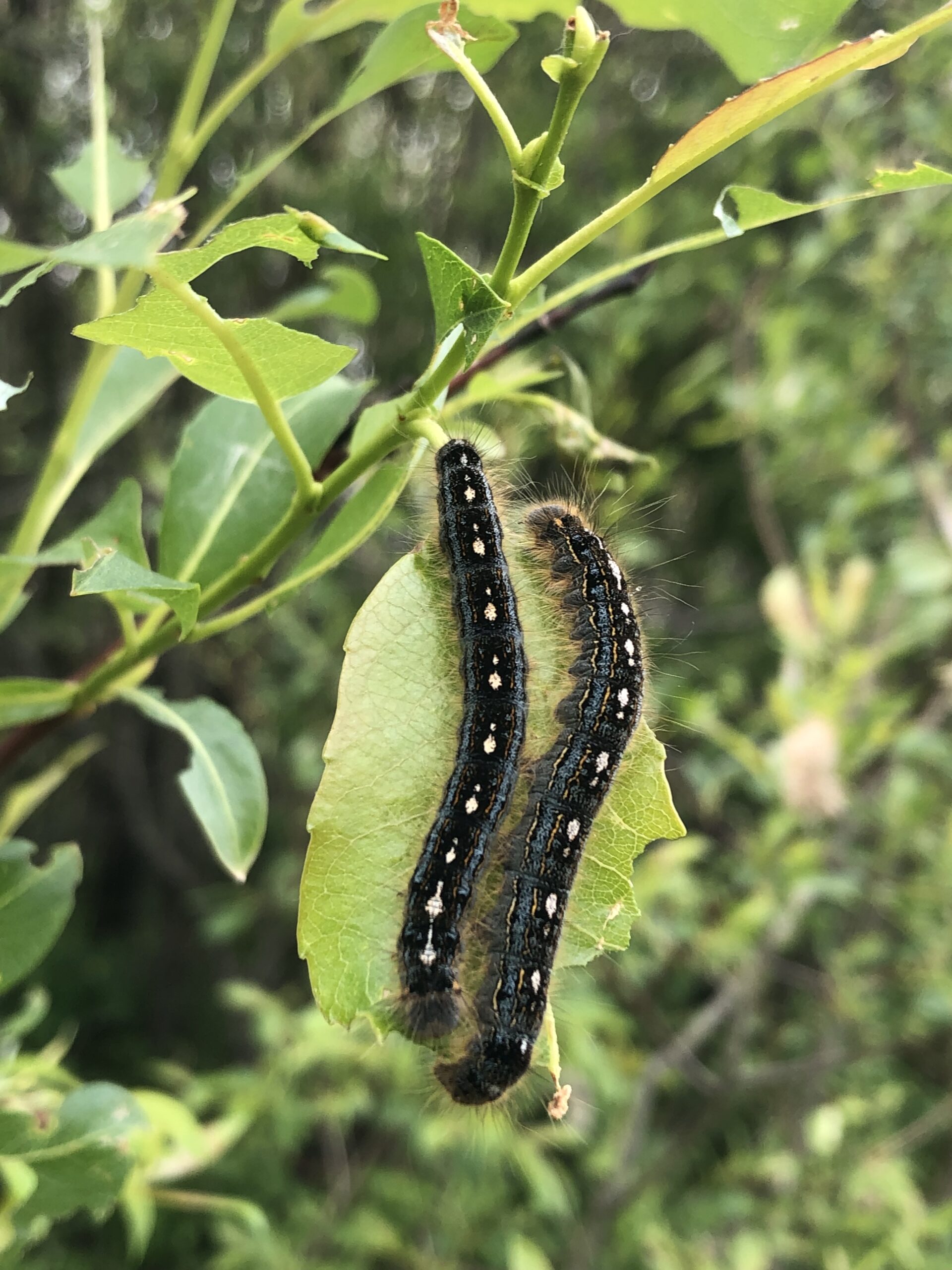
- Pest management – each tree species has own pests’ issues but, however, planting monocultures also amplify pest outbreaks. Diversifying species within appropriate site conditions spreads risk and interrupts host continuity.
- Drought resilience – In drought-prone areas, selecting species with conservative water use and deep rooting that improves survival during prolonged dry periods.
- After care and maintenance – Proper aftercare, including watering, protection from damage, and pruning, ensures trees establish successfully and deliver long-term benefits. Some species require intensive care, maintenance or pest management. Planting high-maintenance trees in areas with limited budgets can lead to neglect and decline.