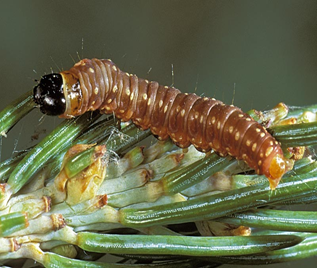
larve on needles

Spruce Budworm

The spruce budworm  (Choristoneura fumiferana) is a native moth and one of the most serious and damaging spruce and fir trees defoliator in North America. It primarily attacks spruces ( white, black Colorado)  and balsam fir trees in Alberta. It is a wasteful feeder on current year needles.   White spruce is naturally established on 9

Spruce Budworm Read More »

camground

Trees Risk Assessment in Campgrounds and Recreational Parks

Canadians love our outdoor activities – camping, hiking or enjoying nature’s beauty in our beautiful parks. Forests are the main fabric of our natural world and greatly contribute to environmental, social, and economic values to all of us.  People love and enjoy being around trees and nature. Trees truly enhance the beauty and enjoyment of

Trees Risk Assessment in Campgrounds and Recreational Parks Read More »

colourful golf course

Golf Course Sustainability: Importance of tree diversity

Trees are a part of any golf course. These trees perform a variety of environmental functions such as providing wildlife habitat, reducing soil and water erosion, providing wind protection, increasing biodiversity and carbon sequestration, and many more. Many golf courses are lacking tree diversity. This can pose a significant problem to the entire ecological integrity

Golf Course Sustainability: Importance of tree diversity Read More »

black know, swelled branch

Black Knot -Avoid Mistakes

Black knot (Dibotryon morbosum) is a prevalent disease in the Canadian prairies, naturally occurring and predominantly affecting trees and shrubs within the Cherry (Prunus) genus. Various species, including ornamental and edible cherries (such as Maydays, Schubert chokecherry, chokecherry, Nanking cherry, pin cherry, sand cherry, sour cherry, etc.), Saskatoon’s,  and plums are susceptible to this disease.

Black Knot -Avoid Mistakes Read More »